Introduction
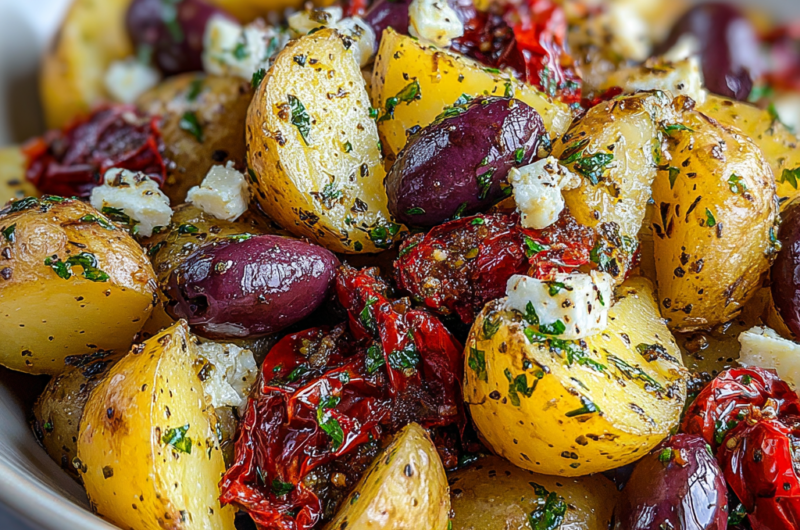
Greek potato salad is a refreshing twist on a classic dish, captivating not only with its vibrant colors but also with its robust flavors. The combination of tender potatoes, zesty lemon, and aromatic herbs creates a harmonious blend that elevates any meal.
This salad is perfect for summer barbecues or as a side for hearty mains. Ideal for gatherings, it’s easy to prepare and can be enjoyed both warm and cold. Let’s delve into the fresh ingredients and straightforward process that make this Greek potato salad a crowd-pleaser.
Ingredients
- 2 pounds of potatoes
Potatoes serve as the base of the salad, providing a hearty texture. Use waxy varieties like red or Yukon gold for a creamier consistency and less starchy absorption. - 1/2 cup of red onion, diced
Red onion adds a sharp, slightly sweet flavor to the salad, balancing the creaminess of the potatoes while providing a beautiful color contrast. - 1/2 cup Kalamata olives, pitted and sliced
Kalamata olives introduce a briny richness synonymous with Greek cuisine, adding depth and a flavorful punch that complements the other ingredients. - 1/2 cup cherry tomatoes, halved
Cherry tomatoes contribute a burst of juiciness and sweetness, bringing freshness and vibrancy to the dish, making each bite enjoyable. - 1/4 cup feta cheese, crumbled
Feta cheese adds a tangy creaminess that perfectly enhances the flavors of the salad. It’s a quintessential ingredient in Greek cuisine. - 1/4 cup extra virgin olive oil
Extra virgin olive oil not only enriches the salad with its fruity notes but also helps blend all the flavors together, ensuring a pleasant mouthfeel. - Juice of 1 lemon
Fresh lemon juice brightens the entire dish, providing acidity that balances the richness from the olive oil and feta, while enhancing the overall flavor. - 1 tablespoon fresh parsley, chopped
Chopped parsley adds a touch of herbal freshness, invigorating the salad with a pop of green and complementing the other flavors beautifully. - Salt and pepper to taste
Seasoning with salt and pepper rounds out the flavors. Adjusting these elements ensures the salad tastes balanced and lively.
Directions & Preparation
Step 1: Prepare the potatoes
Begin by peeling (optional for some varieties) and cutting the potatoes into uniform chunks. Uniformity ensures they cook evenly, preventing some pieces from becoming mushy while others remain firm. Boil them in salted water until fork-tender, usually around 15-20 minutes.
Step 2: Cook the potatoes
Once the water reaches a boil, add the potatoes and reduce to a gentle simmer. The salt should enhance the potato's natural flavor. Check for doneness by piercing with a fork; they should be soft but not falling apart.
Step 3: Drain and cool the potatoes
After cooking, drain the potatoes in a colander and let them sit for a few minutes. Cooling them slightly helps prevent the salad ingredients from wilting and maintains the salad’s freshness.
Step 4: Combine vegetables and olives
In a large bowl, toss the diced red onion, olives, cherry tomatoes, and cooled potatoes together. This mixture helps ensure that the flavors meld beautifully from the start, creating a cohesive dish.
Step 5: Add feta and herbs
Gently fold in the crumbled feta and chopped parsley. Taking care when mixing is vital to keep the feta intact, providing creamy pockets throughout the salad.
Step 6: Dress the salad
Drizzle extra virgin olive oil and fresh lemon juice over the salad. The acid from the lemon will enhance all flavors while the olive oil provides richness. Toss gently for an even distribution.
Step 7: Season to taste
Add salt and pepper, tasting as you go. Proper seasoning can transform a good salad into a great one, highlighting the fresh ingredients without overpowering them.
Step 8: Chill before serving
For optimal flavor, let the salad chill in the refrigerator for about 30 minutes. This allows the ingredients to marinate and develop harmonious flavors, improving taste and texture.

Choosing the Right Potatoes
Waxy potatoes like red or Yukon gold are ideal for Greek potato salad due to their moist, creamy texture. They hold their shape well during cooking, preventing the salad from becoming mushy. When boiled, these potatoes absorb flavors while remaining tender. For a heartier salad, you can mix varieties, combining the waxy texture with a starchy type, though be mindful of their cooking times.
The Role of Fresh Ingredients
Freshness is paramount in Greek potato salad. Ingredients like herbs, tomatoes, and olives offer not just flavor but also vibrant color, making the dish more visually appealing. Fresh herbs like parsley not only enhance flavor but add a necessary brightness. Always aim for seasonal produce, as they offer the best taste and nutritional value, making the salad more delicious and healthy.
Serving Suggestions
Greek potato salad is versatile and can be served as a standalone dish or a side. Pair it with grilled meats, fish, or pita and dips for a Mediterranean feast. It's especially delightful alongside roasted chicken or lamb, where the acidity of the lemon and brininess of the olives cut through the richness, refreshing your palate with every bite.
FAQs
What if my salad is too thick?
If your potato salad is too thick, add a little extra olive oil or a splash of lemon juice to loosen it up. Stir gently until you achieve the desired consistency.
Can I use different types of olives?
Yes, feel free to experiment with other olives like green olives or variety blend olives. Each offers a unique flavor twist to the salad.
What if my potatoes break apart while boiling?
If your potatoes begin to break apart, consider reducing the boil time next time. Keep an eye on them and start testing for doneness earlier at around 10 minutes.
How can I scale this recipe for a larger gathering?
To scale the recipe, simply multiply the ingredients by the number of servings needed. Maintain the same ratio to ensure consistency in taste and texture.
Why is my salad bland?
If your salad turns out bland, it may need more salt or acidity. Gradually add more lemon juice or salt and mix until the flavors are more balanced.
Can I use dried herbs instead of fresh?
While fresh herbs are best for flavor, you can substitute dried herbs in a pinch. Use about one-third of the amount to avoid overpowering the salad.
Conclusion
Making a Greek potato salad brings the vibrant flavors of the Mediterranean right to your dining table. Its refreshing qualities and textural contrast make it a stand-out choice for any meal.
Whether you’re enjoying it at a summer gathering or as part of a cozy dinner, the flavors meld beautifully, providing a dish that is both delicious and satisfying. Give this recipe a try, and celebrate the fresh tastes of Greece!
Recipe Card
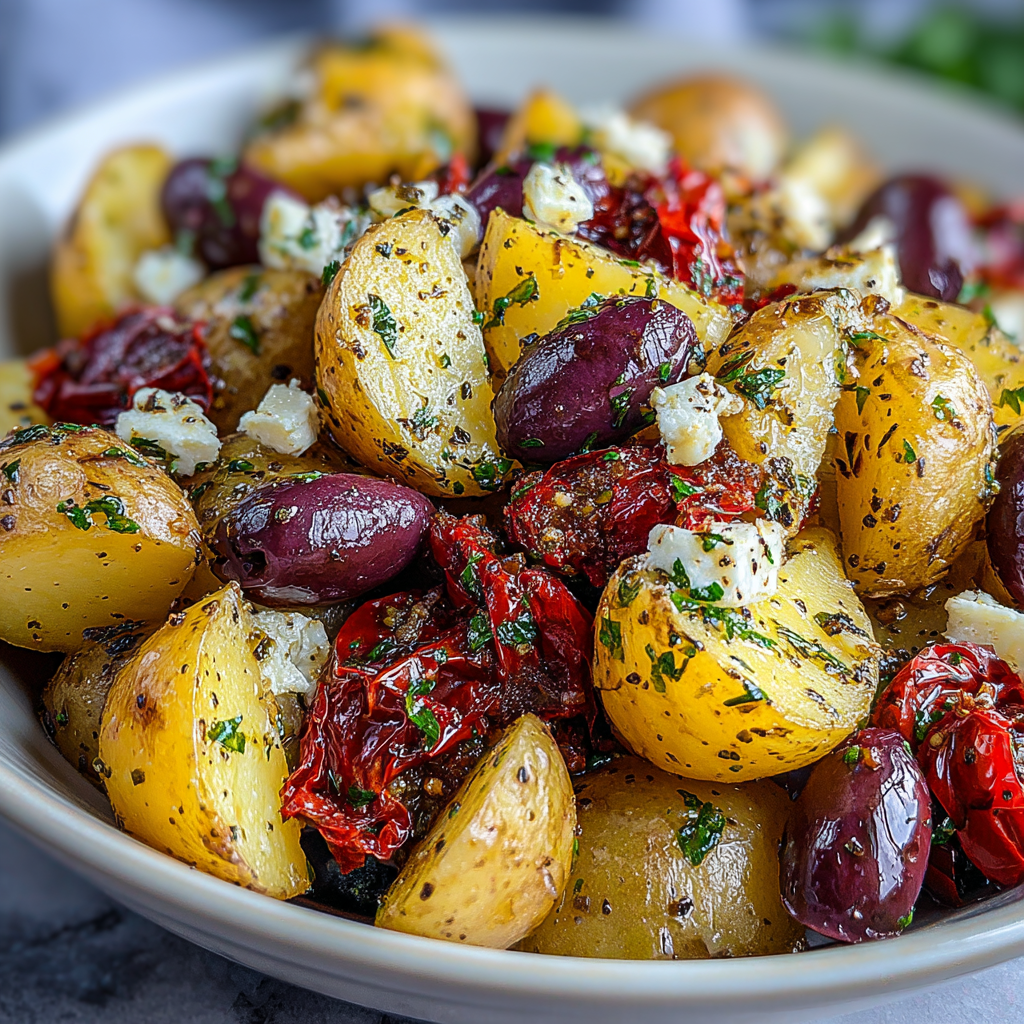
Delightful Greek Potato Salad for Every Occasion
Ingredients
Method
- Prepare the potatoes
- Cook the potatoes
- Drain and cool the potatoes
- Combine vegetables and olives
- Add feta and herbs
- Dress the salad
- Season to taste
- Chill before serving
Notes
Additional serving suggestions: pair with a crisp salad, garlic bread, or roasted seasonal vegetables for balance.
For make-ahead, prep components separately and assemble just before heating to preserve texture.
Taste and adjust with acid (lemon/vinegar) and salt right at the end to wake up flavors.