Introduction
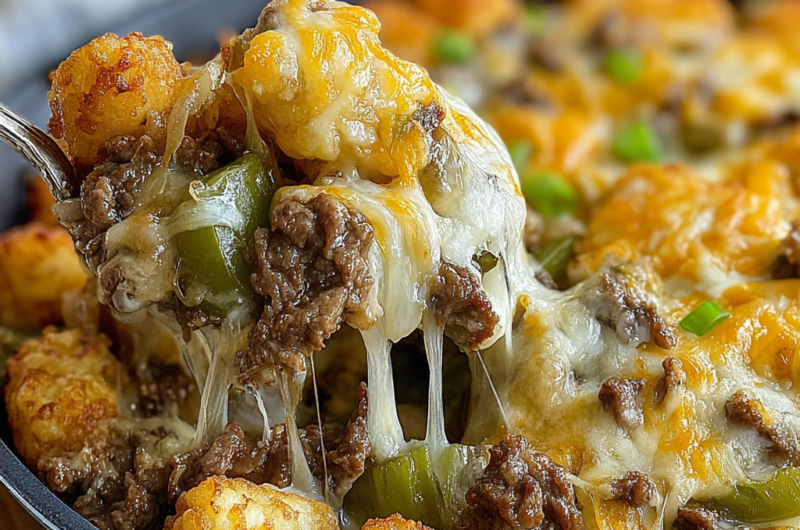
If you love the iconic flavors of a Philly cheesesteak, you're in for a treat with this casserole version. It captures all the elements of the classic sandwich while being laid-back and easy, perfect for any home cook.
This casserole brings together tender beef, melty cheese, and sautéed vegetables, making it a comforting and hearty dish. It's perfect for family dinners or potlucks, satisfying everyone at the table.
Ingredients
- 1 lb flank steak, sliced thinly
Flank steak provides rich beefy flavor and tenderness when cooked properly. Its thin slices cook quickly, allowing for the signature savory taste without needing lengthy preparation. - 1 large onion, sliced
Onions add sweetness and depth to the dish, caramelizing nicely as they cook. They complement the meat and cheese, enhancing the overall flavor profile. - 1 bell pepper, sliced (any color)
Bell pepper contributes sweetness and crunch, adding a fresh contrast to the rich beef and melted cheese. It also brings in color, making the dish visually appealing. - 2 cups cooked pasta (like elbow macaroni)
The pasta serves as the base of the casserole, soaking up all the delicious flavors of the sauce and other ingredients. It's a hearty addition that makes the dish more filling. - 2 cups provolone cheese, shredded
Provolone is known for its meltability and sharp flavor, which makes it an excellent choice for this casserole. It provides that gooey texture and distinct cheesesteak essence. - 1 cup beef broth
Beef broth adds moisture and depth, infusing the casserole with a meaty flavor. It helps to meld all ingredients together and ensures the pasta doesn't dry out during cooking. - 1 tablespoon Worcestershire sauce
Worcestershire sauce adds a complex flavor profile to the dish, enhancing the umami taste. Just a small amount can significantly elevate the overall taste experience. - Salt and pepper to taste
Seasoning is crucial in pulling together all the flavors of the dish. Adjusting salt and pepper allows you to customize the final taste to your preference. - 2 tablespoons olive oil
Olive oil is used for sautéing the vegetables. It adds a pleasant richness and helps in browning them, creating extra depth of flavor as they cook.
Directions & Preparation
Step 1: Preheat your oven to 350°F (175°C).
This initial preheating ensures that the casserole cooks evenly and reaches the right temperature from the start. A properly heated oven is key for achieving that perfect texture.
Step 2: Heat the olive oil in a large skillet over medium heat.
Using a skillet ensures that the vegetables are sautéed evenly. Medium heat allows for proper caramelization, enhancing their flavors and bringing out sweetness.
Step 3: Add the sliced onions and bell peppers to the skillet.
Cooking the onions and peppers first builds a flavor base for the casserole. Sauté until softened, about 5-7 minutes, allowing their natural sugars to caramelize and develop richness.
Step 4: Incorporate the sliced flank steak into the skillet.
Adding the beef to the sautéed vegetables means they can absorb all the flavors of the onions and peppers. Cook until the meat is browned but not fully cooked, as it will finish in the oven.
Step 5: Season with salt, pepper, and Worcestershire sauce.
Seasoning at this point allows the spices to penetrate into the meat and vegetables while they cook, forming a flavorful base for your casserole.
Step 6: Stir in the cooked pasta and beef broth.
Mixing in the pasta and broth at this stage gives the dish its hearty structure; the pasta absorbs flavors while hydrating during the baking process, preventing dryness.
Step 7: Transfer the mixture to a greased casserole dish.
Greasing the dish prevents sticking, ensuring that your casserole comes out easily when serving. Spreading the mixture evenly will allow for uniform cooking.
Step 8: Top with shredded provolone cheese.
Cheese is the crowning glory of this dish; spreading it on top before baking ensures a beautiful melt that binds everything together, creating that ooey-gooey texture everyone loves.
Step 9: Bake in the preheated oven for 25-30 minutes.
Baking is essential for blending all the flavors together and ensuring the cheese is perfectly melted and bubbly. Keep an eye on it to prevent over-browning.
Step 10: Let it cool slightly before serving.
Allowing the casserole to rest for a few minutes will help it set up, making it easier to serve. This short wait enhances the flavors as they settle.

Sautéing for Maximum Flavor
Sautéing the vegetables before combining them with the meat plays a crucial role in flavor development. The process caramelizes their natural sugars, creating a sweetness that balances the saltiness of the beef and cheeses. This step is pivotal for building a layered flavor profile that transforms simple ingredients into a comforting dish.
Choosing the Right Cheese
The choice of cheese is paramount in achieving that iconic Philly cheesesteak experience. Provolone is favored for its meltability and distinct sharpness, which elevates the dish. Consider experimenting with different cheeses like mozzarella or even cheddar for subtle taste variations, but ensure they melt well.
Perfecting Texture and Moisture
Maintaining moisture in the casserole while achieving a desirable texture is vital. The combination of beef broth and the natural juices from sautéed vegetables keeps the pasta from drying out. Monitoring the baking time ensures that the dish remains creamy while achieving a beautifully golden, bubbly cheese crust on top.
FAQs
What if my casserole seems too dry?
If your casserole is too dry, you can add a splash more beef broth before baking or cover it with foil for part of the cooking time to retain moisture.
How can I adjust the recipe for a larger group?
To scale the recipe, simply double the ingredients while using a larger casserole dish. Adjust baking time as needed to ensure it cooks through evenly.
My casserole came out too thick; what can I do?
If the casserole is thicker than desired, you can mix in a bit more beef broth or even a splash of milk to loosen it up after baking.
What if it tastes bland?
If the casserole tastes bland, try adjusting the seasoning with more salt, pepper, or Worcestershire sauce. Flavors meld during cooking, so sometimes a little extra seasoning before it goes in the oven can help.
Can I use ground beef instead of flank steak?
Yes, ground beef is a suitable substitute. Just ensure to brown it thoroughly before mixing with the vegetables for proper flavor.
What can I add for extra veggies?
Feel free to add mushrooms, zucchini, or spinach to the mixture for extra nutrition. Just sauté them with the onions and peppers.
Is it possible to make this in a slow cooker?
Yes, you can adapt this recipe for a slow cooker. Cook the meat and veggies on the stovetop, then transfer to the slow cooker with the pasta and broth to finish cooking.
What if I want a spicier version?
For a spicier casserole, add diced jalapeños or red pepper flakes when sautéing the vegetables to infuse some heat into the dish.
Conclusion
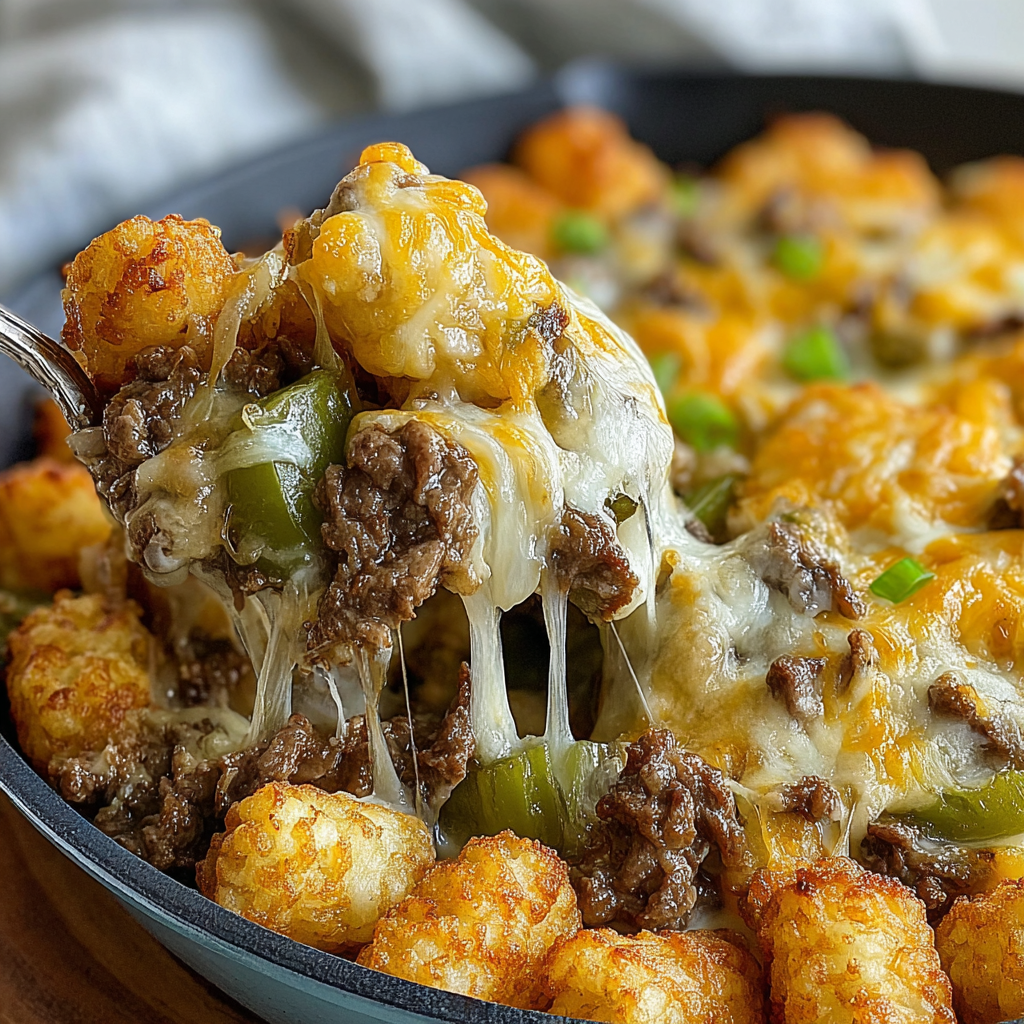
Philly Cheese Steak Casserole transforms a classic sandwich into a comforting, hearty dish that's easy to prepare. It's perfect for cozy family dinners or when you're hosting friends.
With its rich flavors and cheesy goodness, this recipe is sure to become a favorite in your home. It's adaptable, so feel free to play around with the ingredients to make it your own.
Recipe Card
Delicious Philly Cheese Steak Casserole Recipe
Ingredients
Method
- Preheat your oven to 350°F (175°C).
- Heat the olive oil in a large skillet over medium heat.
- Add the sliced onions and bell peppers to the skillet.
- Incorporate the sliced flank steak into the skillet.
- Season with salt, pepper, and Worcestershire sauce.
- Stir in the cooked pasta and beef broth.
- Transfer the mixture to a greased casserole dish.
- Top with shredded provolone cheese.
- Bake in the preheated oven for 25-30 minutes.
- Let it cool slightly before serving.
Notes
Additional serving suggestions: pair with a crisp salad, garlic bread, or roasted seasonal vegetables for balance.
For make-ahead, prep components separately and assemble just before heating to preserve texture.
Taste and adjust with acid (lemon/vinegar) and salt right at the end to wake up flavors.