Introduction
Rump steak, known for its rich flavor and hearty texture, is a cut that deserves a place on your dinner table. Its unique balance of tenderness and chew makes it versatile, whether you’re grilling, pan-searing, or slow-cooking. You might think of this cut as a casual option, but with some attention to detail, it can be transformed into a mouthwatering dish that impresses family and friends alike.
The key to achieving a perfectly cooked rump steak lies not just in the seasoning or the cooking technique, but also in the quality of the meat itself. Selecting a well-marbled piece ensures that your steak remains juicy and flavorful during cooking. With the right ingredients and a little technique, you can elevate this underrated cut to new culinary heights.
Ingredients
- 2 lb rump steak
The star of the dish, rump steak has a rich beefy flavor and benefits from proper seasoning and cooking methods that enhance its tenderness. - 2 tablespoons olive oil
This high-quality oil is perfect for searing meat, allowing for a crispy crust to form while keeping the inside juicy. - 2 teaspoons sea salt
Salt not only enhances the flavor of the steak but also helps retain moisture, creating a juicy result. - 1 teaspoon freshly ground black pepper
Adding black pepper lends a bit of heat and depth, balancing the richness of the steak. - 2 cloves garlic, minced
Garlic provides an aromatic flavor that complements the beef well, infusing it with warmth and depth. - Fresh herbs (such as rosemary or thyme), for garnish
Herbs add a fresh, aromatic touch that elevates the overall profile of the dish.
Directions & Preparation
Step 1: Select and prepare the steak.
Choosing a high-quality rump steak is crucial for flavor and tenderness. Look for cuts with a good amount of marbling — the little flecks of fat that melt during cooking, ensuring a juicy steak. Remove the steak from the refrigerator about 30 minutes before cooking to let it come to room temperature, which promotes even cooking.
Step 2: Season the steak generously.
A generous sprinkle of sea salt and freshly ground black pepper is all you need for seasoning. Coat the steak evenly with salt and pepper on both sides, pressing gently to ensure the seasonings adhere. This step is essential because it enhances the meat's natural flavors and forms a delicious crust during cooking.
Step 3: Heat the oil in a skillet or grill pan.
Using a high smoke point oil like olive oil is perfect for creating a great sear. Preheat your skillet or grill pan over medium-high heat for a few minutes until hot. You want the oil shimmering but not smoking, indicating that it’s perfectly hot to begin cooking the steak, which helps achieve that desired crust.
Step 4: Sear the steak for the perfect crust.
Once your pan is ready, lay the steak away from you in the pan to avoid any splatter. Sear the steak undisturbed for 4-5 minutes to form a crust. Do not move it during this time! This creates caramelization, enhancing the flavor and texture.
Step 5: Flip and continue cooking to desired doneness.
After achieving a nice brown crust on one side, flip the steak and lower the heat slightly. Continue cooking for another 4-6 minutes depending on your desired doneness — medium-rare (130-135°F internal temperature) is ideal for flavor and tenderness.
Step 6: Add minced garlic for added flavor.
In the last minute of cooking, add the minced garlic to the pan. This will infuse the steak with a lovely aroma and flavor as the garlic cooks briefly, highlighting the dish and complementing the beef beautifully.
Step 7: Rest the steak before slicing.
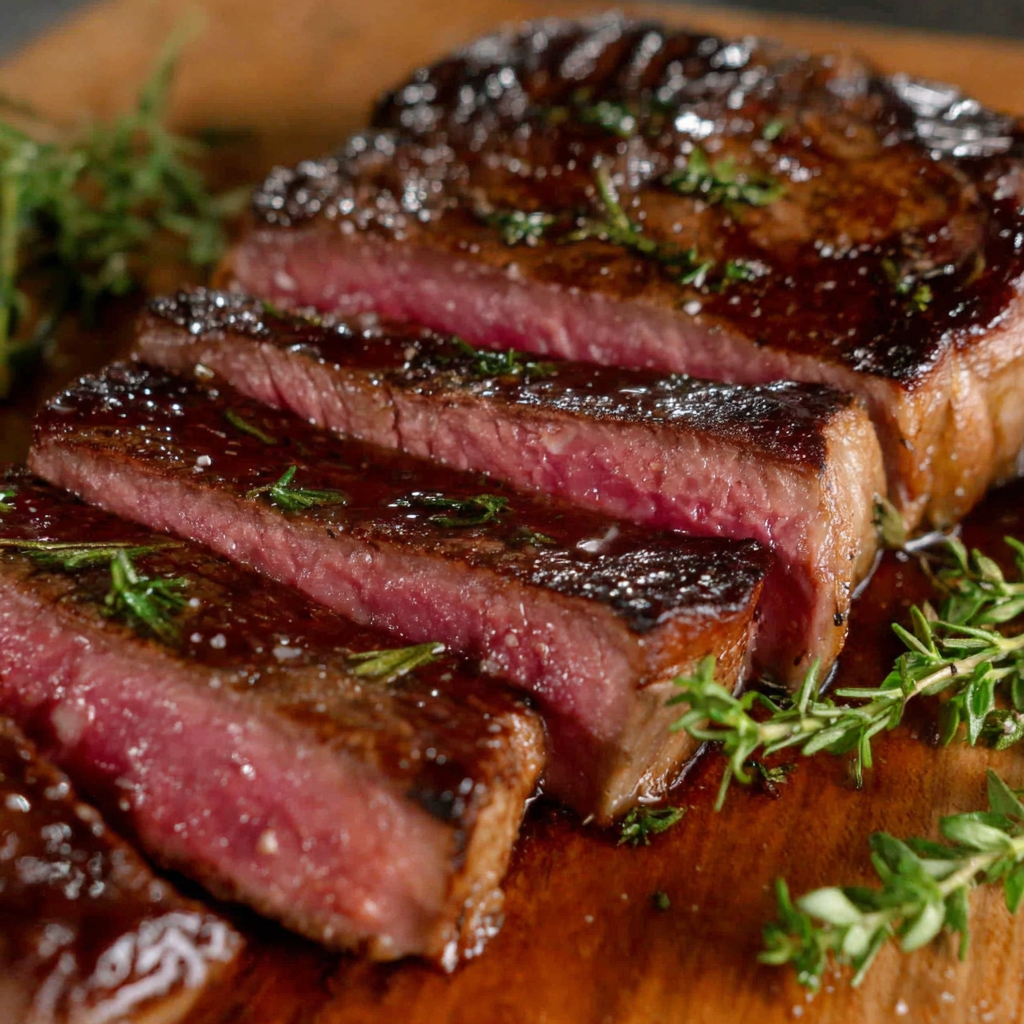
Once cooked to your liking, remove the steak from the pan and let it rest on a cutting board for about 5-10 minutes under foil. Resting is vital as it allows the juices to redistribute throughout the steak, ensuring that every slice is juicy and flavorful.
Step 8: Slice, garnish, and serve.
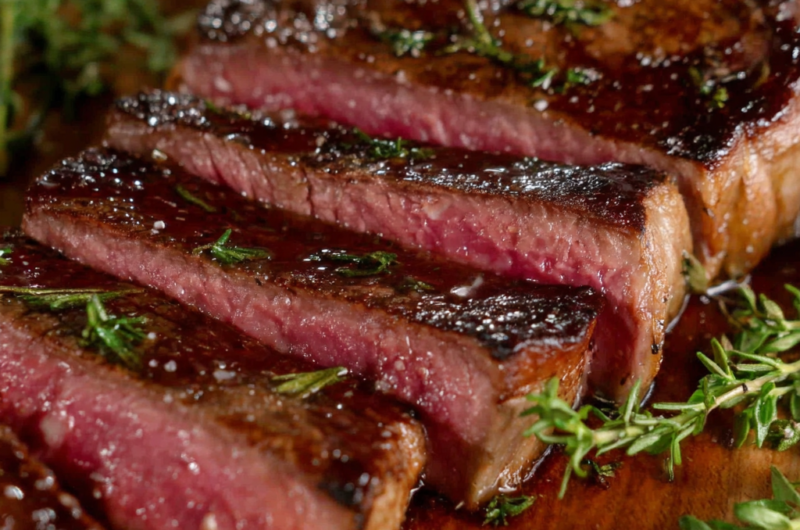
Using a sharp knife, slice the steak against the grain to ensure tenderness in every bite. Plate beautifully, garnished with fresh herbs. The final presentation not only looks appealing but also enhances the experience of savoring the flavorful rump steak.

The Art of Seasoning Your Rump Steak
Proper seasoning is the foundation of a succulent rump steak. While salt and pepper are essential, consider adding layers of flavor by experimenting with spices and marinades. A simple mixture of garlic, rosemary, and olive oil can transform your steak, enhancing its natural richness. Allowing it to marinate for an hour or overnight can deepen flavor further, making for an exciting culinary experience.
Choosing the Right Cooking Method
Whether you opt for grilling, pan-searing, or broiling, the method you choose can significantly impact the final result of your rump steak. For a smoky flavor, grilling adds a char that enhances the meat's profile. Conversely, pan-searing allows for more control over temperature and searing quality, ensuring you develop that perfect crust while maintaining juiciness inside. Understanding these methods is key to mastering your steak night.
Serving Suggestions for Rump Steak
Rump steak pairs beautifully with a variety of sides. Consider serving it with roasted vegetables or a fresh salad for a balanced meal. A creamy potato gratin or crispy fries offer a hearty touch. Complement the dish with a robust red wine, like a Cabernet Sauvignon, to enhance the richness of the beef and elevate your dining experience.
FAQs
Why is my rump steak tough?
If your rump steak is tough, it may not have rested adequately, or it could be overcooked. Always let it rest after cooking, and aim for medium-rare doneness for optimal tenderness.
Can I use a different cut of beef instead of rump steak?
Yes, cuts like sirloin or flank steak can be used as alternatives, though they may have different cooking times and flavor profiles. Adjust accordingly for thickness.
How do I know when my steak is done?
Using a meat thermometer is the best way to check doneness. Aim for 130-135°F for medium-rare. For other levels, adjust the temperature range accordingly.
What’s the best way to slice rump steak?
Always slice against the grain to ensure each bite is tender. Look for the direction of the fibers in the meat and cut perpendicular to them.
Can I marinate rump steak overnight?
Absolutely! Marinating overnight can greatly enhance the flavor. Just be cautious with acidic ingredients; overly acidic marinades can make the meat mushy.
Why is my rump steak bland?
Bland steak often results from insufficient seasoning or not allowing the meat to rest properly. Make sure to season generously and let it rest for better flavors.
Conclusion
Cooking rump steak is a delightful experience that can yield impressive results if you pay attention to quality and technique. Whether you are preparing a special meal or a weekend family dinner, this cut of beef offers versatility and great flavor that can impress anyone at the table.
Embrace the journey of perfecting your cooking skills with rump steak. With each attempt, you’ll refine your approach and discover your personal favorite methods and seasonings, creating a meal that is uniquely yours.
Recipe Card
Savor the Flavor of Perfectly Cooked Rump Steak
Ingredients
Method
- Select and prepare the steak.
- Season the steak generously.
- Heat the oil in a skillet or grill pan.
- Sear the steak for the perfect crust.
- Flip and continue cooking to desired doneness.
- Add minced garlic for added flavor.
- Rest the steak before slicing.
- Slice, garnish, and serve.
Notes
Additional serving suggestions: pair with a crisp salad, garlic bread, or roasted seasonal vegetables for balance.
For make-ahead, prep components separately and assemble just before heating to preserve texture.
Taste and adjust with acid (lemon/vinegar) and salt right at the end to wake up flavors.