Introduction
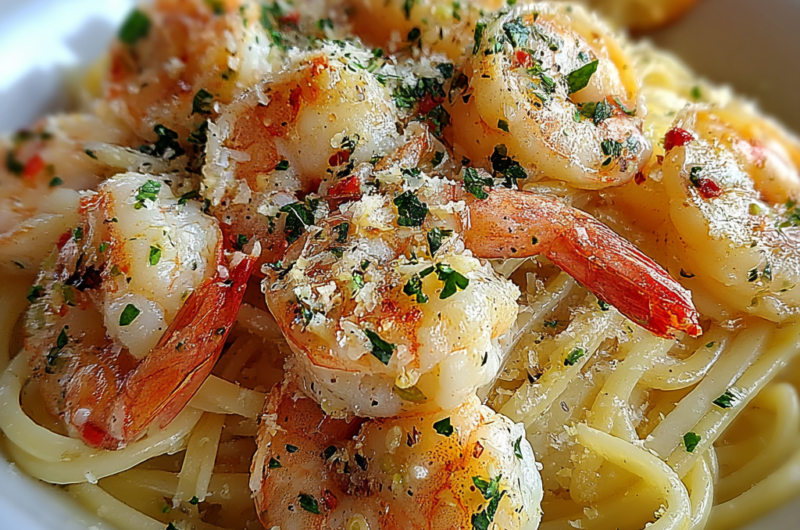
Classic shrimp scampi brings together the irresistible flavors of fresh shrimp, garlic, and a splash of white wine, creating a dish that's both elegant and comforting. This timeless seafood classic has graced tables around the world, admired for its simplicity and delightful taste.
Cooking shrimp scampi is not just about throwing ingredients in a pan; it's about understanding the harmony between flavors and techniques. The golden, buttery sauce enveloping each shrimp acts as the star of the dish, borrowing its richness from the interplay of ingredients that complement, rather than overwhelm, the natural flavors of the seafood.
Whether served over pasta, integrated into a crusty bread feast, or plated solo with a sprinkle of fresh herbs, shrimp scampi epitomizes culinary artistry—fusing freshness with a touch of elegance. With the right technique and a few carefully chosen ingredients, you can recreate this classic dish in your own home.
Ingredients
- 1 pound large shrimp, peeled and deveined
The shrimp are the star of this dish, providing a sweet, briny flavor and a firm texture when cooked. Using large shrimp ensures that they hold up in the cooking process and have a pleasing bite. - 4 tablespoons unsalted butter
Butter is essential for creating a rich, velvety sauce that coats the shrimp. It also helps to balance the acidity of the wine and the garlic, enriching the overall flavor. - 3 tablespoons olive oil
Olive oil adds depth to the sauce while allowing for a higher cooking temperature than butter alone. It enhances the flavor profile with its fruity notes, complementing the other ingredients finely. - 4 cloves garlic, minced
Garlic infuses an aromatic foundation to the dish, releasing its pungent character when sautéed. Its flavor evolves from raw to sweet and caramelized, adding complexity to the dish. - 1/2 cup dry white wine
Wine enhances the sauce's flavor and provides acidity that brightens and balances the richness of the butter. A dry white wine contributes a hint of fruitiness without overwhelming the dish. - 1/4 teaspoon red pepper flakes
Red pepper flakes introduce a subtle heat that elevates the dish without overpowering the shrimp. It adds a layer of warmth that makes each bite more exciting. - Salt and freshly ground black pepper, to taste
Seasoning adjusts and amplifies the flavors of the dish. Freshly cracked black pepper enhances the aroma, while salt brings out the natural sweetness of the shrimp. - 2 tablespoons fresh parsley, chopped
Fresh parsley adds a vibrant color and a hint of freshness to the dish. It acts as a finishing touch that brightens the flavors and adds aroma. - Juice of 1 lemon
Lemon juice offers acidity that cuts through the richness of the butter and complements the shrimp beautifully. A squeeze right before serving can brighten the dish.
Directions & Preparation
Step 1: Start by preparing your shrimp. Rinse them under cold water and pat them dry with paper towels. Season with salt and pepper to taste.
This initial step allows for the shrimp to be moist without excess water, ensuring they sear properly. Seasoning at this stage infuses the shrimp with flavor, enhancing their natural sweetness. It's essential to dry them completely to achieve the perfect golden exterior.
Step 2: In a large skillet, heat the olive oil and 2 tablespoons of butter over medium-high heat until the butter has melted and starts to foam.
Heating the oil and butter together allows for a higher smoking point while benefiting from the butter's rich flavor. The foaming indicates the butter is hot enough to sauté, ensuring that the shrimp cook quickly without stewing.
Step 3: Add the minced garlic and red pepper flakes to the skillet, sautéing for about 1 minute or until fragrant.
Cooking the garlic allows it to release its flavor, creating a fragrant base for the dish. Be cautious not to burn the garlic, as it can turn bitter quickly. The red pepper flakes will infuse the oil, providing subtle heat.
Step 4: Toss in the shrimp in a single layer, ensuring they have enough space to cook evenly. Sauté for about 2-3 minutes on one side until they turn pink.
Cooking shrimp in a single layer ensures each piece receives direct heat for optimal searing. The pink color indicates that the shrimp are cooking correctly; taking care not to overcrowd the pan helps retain a tempting golden hue.
Step 5: Flip the shrimp and add the white wine to the skillet, letting it simmer for an additional 2-3 minutes until the shrimp are cooked through and the wine is reduced slightly.
Flipping the shrimp allows for even cooking and prevents them from becoming rubbery. The wine not only adds flavor but also deglazes the pan, lifting any delicious caramelized bits stuck to the bottom, enriching the sauce.
Step 6: Remove the skillet from heat. Add the remaining butter and lemon juice, stirring gently to combine until the butter melts and the sauce coats the shrimp.
Finishing the dish off the heat allows the residual warmth to melt the butter, creating a creamy sauce without risking overcooking the shrimp. The lemon juice brightens and balances the flavors while adding to the sauce's richness.
Step 7: Toss in the chopped parsley and adjust seasoning with salt and pepper to taste before serving.
Fresh parsley not only adds a splash of color but also freshens the dish. Adjusting the seasoning at the end allows you to taste the full dish before serving, ensuring enhanced flavor.
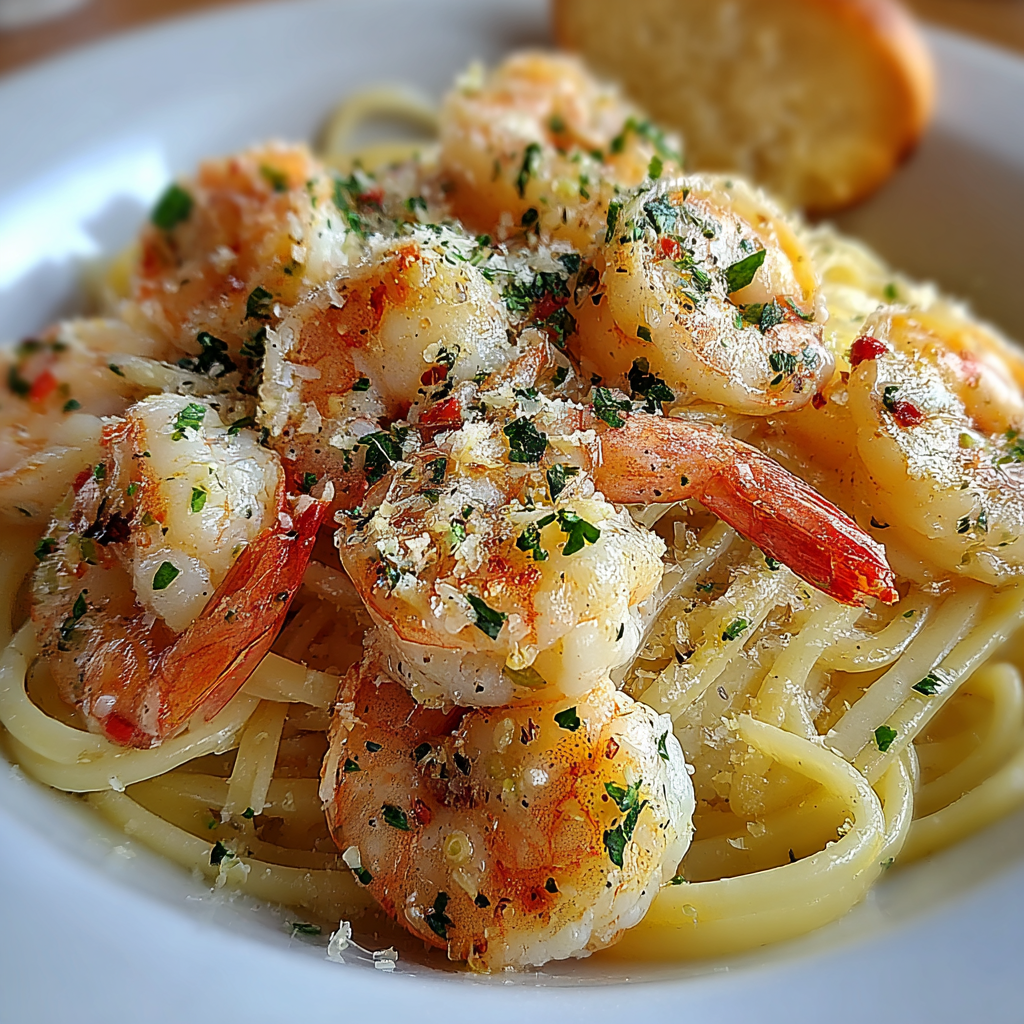
Step 8: Serve the shrimp scampi immediately, spooning the sauce over the shrimp. Pair with pasta, crusty bread, or enjoy on its own!
Serving scampi immediately keeps the shrimp tender and prevents them from becoming rubbery. The sauce can be drizzled over pasta or bread for a luxurious experience, making it a versatile dish for any occasion.

The Role of Garlic in Shrimp Scampi
Garlic is the heartbeat of shrimp scampi, imparting a unique flavor that forms the backbone of the dish. Its aromatic qualities elevate the taste profile, providing an essential balance against the rich butter and shrimp. When sautéed, garlic undergoes a transformation from pungent to sweet, caramelizing and enhancing its own flavor while coaxing out the natural sweetness of the shrimp.
Choosing the Right Wine for Cooking
The choice of dry white wine is crucial in making shrimp scampi. The right wine should be balanced and not overly sweet, as it helps deglaze the pan, pulling up flavors while contributing acidity to the sauce. Look for a wine that you enjoy drinking—Chardonnay or Sauvignon Blanc are fantastic choices, providing the desired complexity and allowing you to enjoy a glass alongside your meal.
Serving Suggestions for Shrimp Scampi
Shrimp scampi shines best when paired thoughtfully. Classic accompaniments include al dente pasta, drizzled with the leftover sauce, or crusty garlic bread for scooping up every last bit. Alternatively, serve it atop a bed of sautéed spinach or alongside a fresh arugula salad for a lighter meal. This dish adapts well, whether for an intimate dinner or a festive gathering.
FAQs
What if my sauce is too thick?
If the sauce turns out too thick, you can add a bit of extra white wine or chicken broth to loosen it up. This will help achieve a more balanced consistency and retain the dish's richness.
How can I adjust the spice level in this recipe?
To control the spice level, reduce the amount of red pepper flakes or omit them entirely if you prefer a milder flavor. You can also use a pinch of black pepper for a different kind of heat.
Can I use frozen shrimp for this recipe?
Yes, frozen shrimp can be used, but they should be thawed properly before cooking. Ensure they're completely dry to avoid excess water in the pan, which can dilute the sauce.
What types of pasta work well with shrimp scampi?
Long pasta varieties like linguine, spaghetti, or fettuccine pair beautifully with shrimp scampi, as they hold onto the sauce nicely and complement the shrimp's texture.
Is it possible to prepare this dish in advance?
While shrimp scampi is best enjoyed fresh, you can prep the ingredients ahead of time. Cook the shrimp right before serving for the best flavor and texture.
What do I do if my shrimp are overcooked?
Overcooked shrimp can be rubbery and tough. To prevent this in the future, keep a close eye on the cooking time, as shrimp cook quickly, just a few minutes on each side is all they need.
Conclusion
Classic shrimp scampi embodies a balance of flavor profiles, offering a delightful experience for seafood lovers. With the right combination of ingredients and techniques, you can produce a dish that is simple yet indulgent, making it perfect for both weeknight dinners and special occasions.
Embrace the art of cooking this timeless dish and experiment with your ingredient choices, because every cook has their unique spin to add. Share this meal with friends or family, and relish the atmosphere as they dive into each tasty bite.
Recipe Card
The Irresistible Charm of Classic Shrimp Scampi
Ingredients
Method
- Start by preparing your shrimp. Rinse them under cold water and pat them dry with paper towels. Season with salt and pepper to taste.
- In a large skillet, heat the olive oil and 2 tablespoons of butter over medium-high heat until the butter has melted and starts to foam.
- Add the minced garlic and red pepper flakes to the skillet, sautéing for about 1 minute or until fragrant.
- Toss in the shrimp in a single layer, ensuring they have enough space to cook evenly. Sauté for about 2-3 minutes on one side until they turn pink.
- Flip the shrimp and add the white wine to the skillet, letting it simmer for an additional 2-3 minutes until the shrimp are cooked through and the wine is reduced slightly.
- Remove the skillet from heat. Add the remaining butter and lemon juice, stirring gently to combine until the butter melts and the sauce coats the shrimp.
- Toss in the chopped parsley and adjust seasoning with salt and pepper to taste before serving.
- Serve the shrimp scampi immediately, spooning the sauce over the shrimp. Pair with pasta, crusty bread, or enjoy on its own!
Notes
Additional serving suggestions: pair with a crisp salad, garlic bread, or roasted seasonal vegetables for balance.
For make-ahead, prep components separately and assemble just before heating to preserve texture.
Taste and adjust with acid (lemon/vinegar) and salt right at the end to wake up flavors.