Introduction
Sirloin steak is a beloved cut of beef known for its balance of flavor and tenderness. With a bit of attention and technique, you can turn this versatile steak into a juicy main dish that will elevate any meal. Whether grilling or pan-searing, understanding the nuances of cooking sirloin will enhance your culinary skills.
In this article, we'll explore the essential steps and details needed to achieve a perfectly cooked sirloin steak. From selecting the right cut to the finishing touches, each aspect contributes to ensuring you impress your family and friends with your steak mastery. Let's dive into the ingredients and methods that will set you up for success.
Ingredients
- 2 sirloin steaks, about 1 inch thick
Choosing quality sirloin steaks is crucial for a great meal. Look for steaks with a bright red color and even marbling, as this fat contributes to flavor and juiciness. - Salt, preferably kosher
Salt enhances the natural flavors of the beef and aids in achieving a nice crust. Using kosher salt is recommended due to its larger grains, which provide better control over seasoning. - Black pepper, freshly ground
Freshly ground black pepper adds a robust flavor that complements the richness of sirloin. Ground pepper should be added just before cooking to maintain its aromatic qualities. - 1-2 tablespoons vegetable oil or clarified butter
Using a high smoke point oil or clarified butter allows for searing without burning. This high temperature is essential for developing a flavorful crust on the steak. - Optional: fresh herbs (such as rosemary or thyme)
Fresh herbs can infuse additional flavor into the steak when incorporated during cooking. A sprig of rosemary or thyme adds an aromatic touch and complements the beef nicely.
Directions & Preparation
Step 1: Remove steaks from the refrigerator and let them rest at room temperature for 30 minutes.
Allowing the steaks to come to room temperature ensures even cooking throughout. Cold steaks placed directly on the heat can lead to a well-done exterior and an undercooked interior.
Step 2: Pat the steaks dry with paper towels and season generously with salt and pepper.
Drying the surface of the steaks creates a better sear, while generous seasoning enhances flavor. Don't skimp on the salt, as it draws out moisture, resulting in a more concentrated flavor.
Step 3: Preheat your skillet or grill over medium-high heat until it reaches a temperature of about 450°F (232°C).
A properly preheated cooking surface is critical for achieving a good sear. If the surface isn't hot enough, the steak will steam instead of searing, compromising texture and flavor.
Step 4: Add the oil or butter to the skillet, swirling to coat the bottom evenly.
Adding oil or butter before placing the steak in prevents sticking and promotes a crust. Swirling ensures even coverage, creating a uniform cooking surface.
Step 5: Carefully place the steaks in the skillet or on the grill and let them cook undisturbed for 4-5 minutes.
Resisting the urge to move the steaks allows a crust to form. This caramelization enhances flavor and helps to keep the juices inside the meat.
Step 6: Flip the steaks using tongs and cook for an additional 4-5 minutes for medium-rare.
Flipping the steaks mid-cooking allows for even doneness. Adjust the time based on desired doneness and steak thickness; for medium, aim for about 6-7 minutes per side.
Step 7: If using herbs, add them during the last minute of cooking for extra flavor, basting with the pan juices.
Basting with the flavorful juices and herbs just before finishing adds depth to the final dish. This technique elevates the sirloin and infuses it with aromatic qualities.
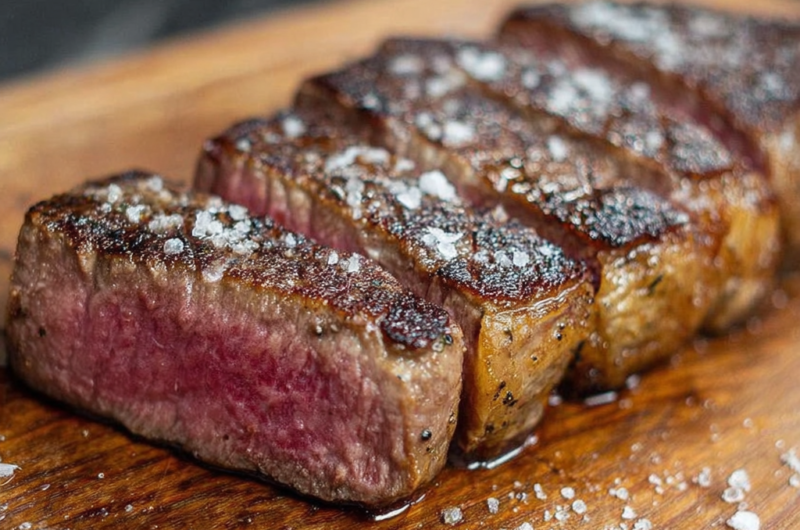
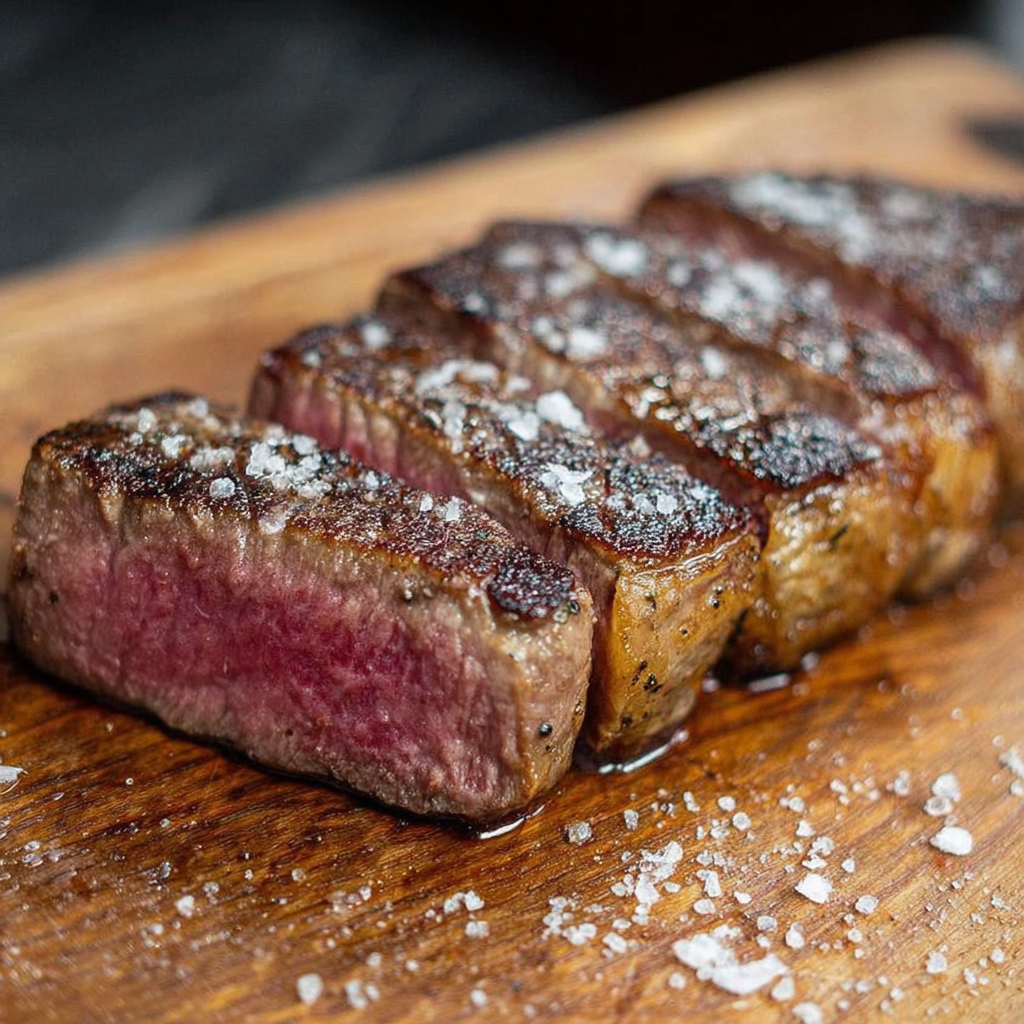
Step 8: Remove steaks from the heat and transfer them to a cutting board. Let rest for 5-10 minutes before slicing.
Resting allows the juices to redistribute, making your steak much juicier and preventing them from spilling out when you cut into it. Patience here is key for the best flavor.
Step 9: Slice against the grain and serve as desired, possibly with sides or sauces.
Cutting against the grain shortens muscle fibers, making each bite more tender. Presentation matters too, so serve your steaks elegantly to impress your guests.

Creating a Flavorful Crust
Achieving a flavorful crust on your sirloin steak is a balance of heat and technique. By ensuring your skillet or grill is preheated adequately, you facilitate a reaction called the Maillard effect, which develops rich, complex flavors. The right searing technique not only locks in juices but also creates an appealing visual contrast that elevates the dish.
Selecting Quality Beef
The quality of the beef you choose directly impacts the taste and texture of your steak. Look for cuts with great marbling, as intramuscular fat melts during cooking, enriching the steak's flavor and tenderness. Familiarize yourself with the terms of beef grading, such as USDA Choice or Prime, to help navigate your grocery store or butcher.
Pairing Perfect Sides
To complement your sirloin steak, consider sides that balance its richness. Roasted vegetables, a fresh green salad, or fluffy mashed potatoes can enhance the meal experience. Additionally, incorporating a simple sauce or herb butter can elevate the dish without overpowering the robust flavor of the steak.
FAQs
What if my steak is too thick to cook evenly?
For thicker cuts, you may need to adjust cooking time or finish in the oven. Consider searing on the stovetop, then transferring to a preheated oven at 375°F until desired doneness.
Why did my steak turn out bland?
Bland steak often results from insufficient seasoning. Make sure to apply a generous amount of salt and pepper, as well as consider marinades or herb blends for added flavor.
My steak became overcooked; how can I prevent this next time?
Using a meat thermometer is a reliable method to avoid overcooking. Remove the steak from heat a few degrees below your target doneness since it will continue to cook while resting.
Can I substitute sirloin with another cut of beef?
While sirloin is ideal, cuts like ribeye or flank can be used; however, cooking times may vary due to differences in thickness and fat content, so monitor closely.
What's the best way to tell if my steak is done?
Using a meat thermometer is the most accurate method; for medium-rare, aim for 130-135°F. Alternatively, the finger test can help gauge doneness for those without a thermometer.
How can I incorporate flavor without overpowering the steak's natural taste?
Utilize marinades with herbs and spices sparingly or opt for compound butters. A light touch will enhance the beef's flavor without masking it.
Conclusion
Cooking a sirloin steak is both an art and a science, requiring attention to detail and precision. With the right techniques and seasonings, you can create a flavorful and satisfying dish that will impress your family and friends. Do not overlook the importance of quality ingredients and resting time for the best results.
As you gain confidence in your cooking, feel free to experiment with different herbs, rubs, and cooking methods to find what best suits your palate. Enjoy the journey of becoming a talented steak cook, and savor the rewards of your culinary efforts.
Recipe Card
Mastering the Sirloin Steak Cooking Technique
Ingredients
Method
- Remove steaks from the refrigerator and let them rest at room temperature for 30 minutes.
- Pat the steaks dry with paper towels and season generously with salt and pepper.
- Preheat your skillet or grill over medium-high heat until it reaches a temperature of about 450°F (232°C).
- Add the oil or butter to the skillet, swirling to coat the bottom evenly.
- Carefully place the steaks in the skillet or on the grill and let them cook undisturbed for 4-5 minutes.
- Flip the steaks using tongs and cook for an additional 4-5 minutes for medium-rare.
- If using herbs, add them during the last minute of cooking for extra flavor, basting with the pan juices.
- Remove steaks from the heat and transfer them to a cutting board. Let rest for 5-10 minutes before slicing.
- Slice against the grain and serve as desired, possibly with sides or sauces.
Notes
Additional serving suggestions: pair with a crisp salad, garlic bread, or roasted seasonal vegetables for balance.
For make-ahead, prep components separately and assemble just before heating to preserve texture.
Taste and adjust with acid (lemon/vinegar) and salt right at the end to wake up flavors.